Expert Counsel for the Complexities of International Trade
Over a decade of trade-law experience helping importers, exporters, and multinationals navigate customs and regulatory compliance.
Cross-border trade remains a critical component of global business
and the compliance requirements only continue to grow. Customs and
other regulatory bodies demand meticulous reporting and reasonable
care. Non-compliance carries severe penalties: monetary, operational,
and even criminal. Our mission is straightforward: mitigate the
risks and unlock the opportunities, so you can stride
confidently on the global stage.
The questions we get most often about international trade compliance and our flat-fee packages.
Why Reidel Law Firm?
We specialize in international trade law with a focus on transparency,
efficiency, and personalized service. Our flat-fee packages and direct-
attorney communication mean you talk to the lawyer doing the work —
not a paralegal or a phone tree. Three guiding values: direct
communication, transparent pricing, and reliability.
Can Reidel Law Firm help in all states?
Yes. We’re based in Texas but serve trade-industry clients nationwide.
We have extensive knowledge of federal trade laws and agency
regulations (CBP, BIS, OFAC, DDTC, FDA, EPA, CPSC) and can help with
import or export matters anywhere in the US.
Can Reidel Law Firm help with international trade compliance issues?
Generally yes. While we may not be familiar with another country’s
domestic trade laws, we have friends around the globe we can connect
you with. We provide guidance on cross-border trade agreements, IP
protection, and compliance with international trade regulations.
How long does implementation take?
Our process is designed for speed: immediate protection from day one,
with most clients receiving an action plan or response within 30-45
days. Timelines vary depending on the type of matter we’re assisting
with.
Does Reidel Law Firm offer services beyond international trade?
Yes. In addition to trade law, Reidel Law Firm provides services in
Texas business law, franchise law, and other areas relevant to
business growth.
Who will be my main point of contact?
You’ll work directly with a dedicated trade attorney who will be your
primary point of contact. No layers of paralegals or associates in
between.
How experienced is Reidel Law Firm in trade law?
Over 10 years of trade-law experience across federal trade laws and
regulations, with clients across a wide range of industries — from
consumer goods to medical devices to industrial equipment.
How much does non-compliance actually cost my business?
The true cost extends far beyond just penalties. Our experience: a
single compliance incident typically costs 3-5x what businesses
initially estimate, with impacts lasting 12-18 months beyond
resolution. Customs penalties run $10,000-$100,000+ per violation;
legal defense costs run $50,000-$250,000; add lost inventory value
during holds, emergency shipping costs, and remediation expenses.
What are the most common trade violations for businesses?
From a decade of protecting millions in international trade, the
recurring violations are: incorrect HTS codes, misclassified duty
rates, wrong country of origin, improper valuation methods, missing
documentation, outdated licenses, incomplete recordkeeping, missing
certifications, inadequate screening, and late filings.
How quickly can you resolve a customs hold or detention?
Timelines vary widely. We act on detentions immediately, but any
agency action runs at the agency’s pace. We’ve resolved detentions
over a single weekend; we’ve also handled seizures that took two
years to reach a final decision. Either way, fast response on day
one is what protects the outcome.
Can you help reduce our current compliance costs?
Yes. Our clients typically reduce total compliance costs while
improving protection — through strategic optimization, automation,
and preventive measures that eliminate expensive reactive solutions.
What do I do if my shipment is detained by customs?
Take immediate action by contacting us — every day matters in a
customs detention, and you have limited time to react to customs
inquiries. Our rapid-response team resolves most detentions before
they become seizures.
What happens during a government trade investigation?
You’ll receive document and records requests from the lead agency.
You may or may not receive a visit from government agents — be
prepared for that possibility and manage your responses carefully
to avoid over-disclosure or incrimination. Our team guides you
through every step.
RESOURCES
Trade Resources
Podcasts, courses, and reference tools for importers and exporters.
International Trade Minute Podcast
Where time is trade. A weekly podcast with the latest updates in U.S. trade law and regulations, prepared by seasoned trade attorneys.
Gray market goods — genuine branded products bought in a foreign market and imported for U.S. resale without the U.S. trademark owner’s authorization — …
Trade barriers are government measures that restrict or regulate the flow of goods and services across borders, usually to protect domestic industries, raise …
When tariffs go unpaid on a Delivered Duty Paid (DDP) shipment, the U.S. buyer can still be liable — even though DDP is the Incoterm that puts customs duties on …
As of September 2026, the $800 de minimis exemption is suspended — and now suspended indefinitely — for shipments from every country. No low-value shipment …
Exporting a car from the United States takes two government filings and one in-person step: you must file Electronic Export Information (EEI) in the Automated …
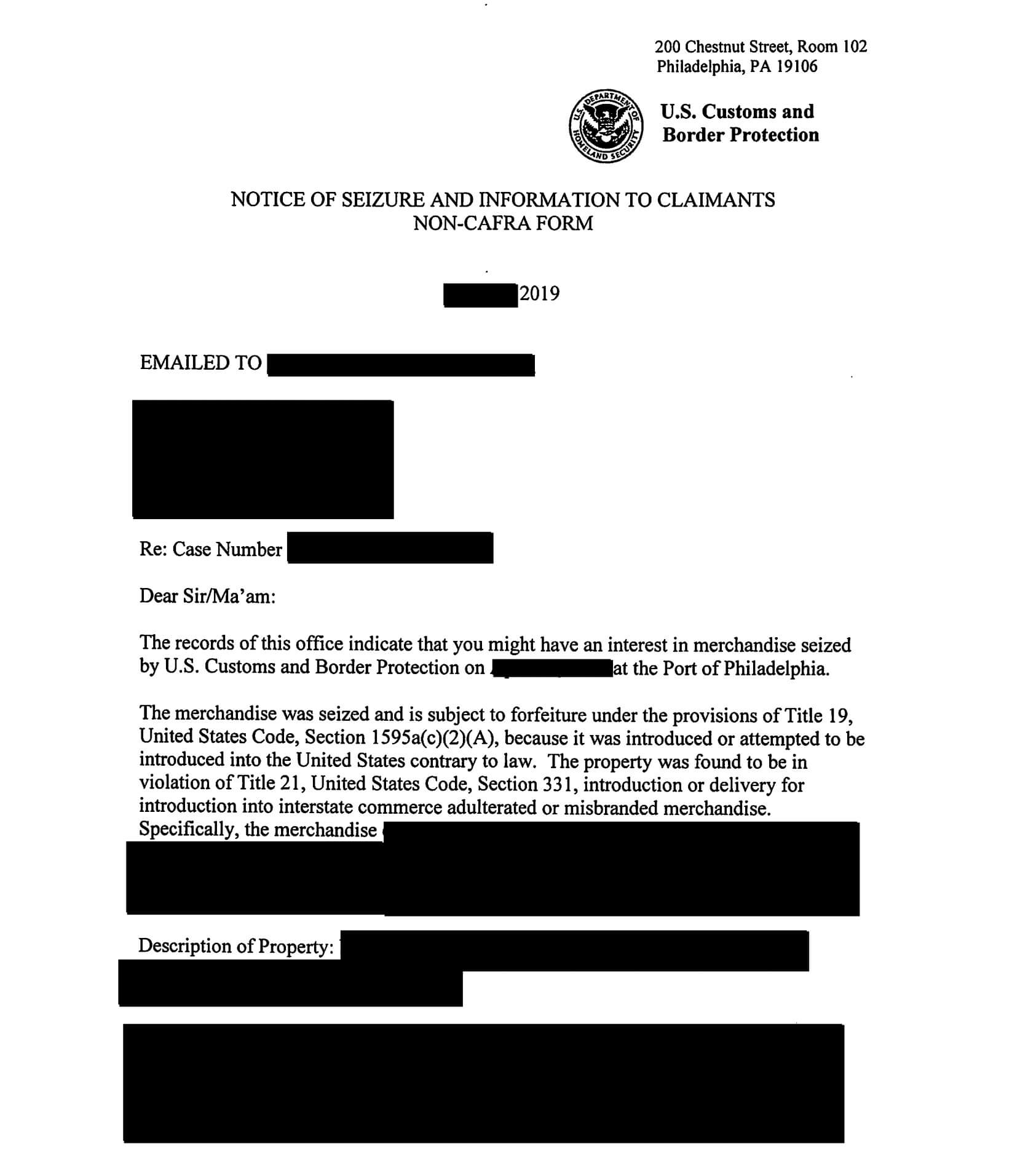
A customs notice of seizure is a formal letter from U.S. Customs and Border Protection (CBP) telling you the government has taken your merchandise because it …